


US seeks to seize $1.2B tied to October Binance theft
The FBI blames North Korean actors it calls TraderTraitor for the theft on or around 29 October; more than $2.7 billion has been frozen.
Key takeaways
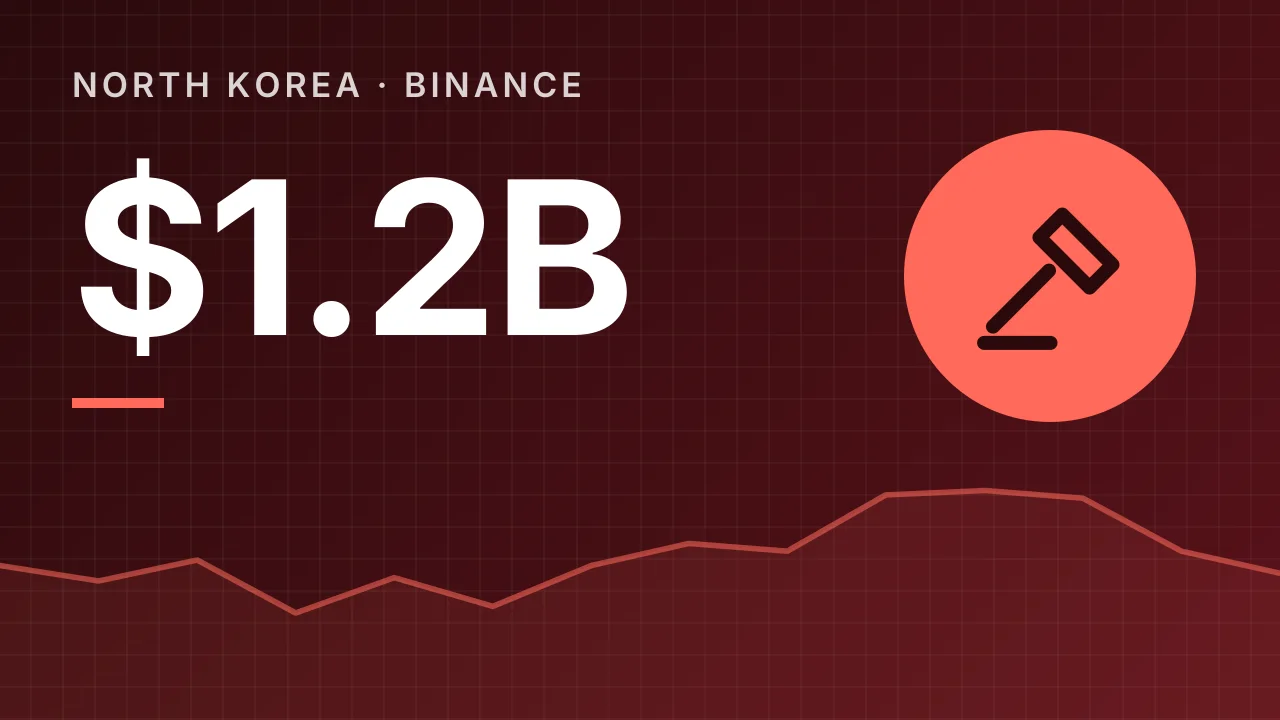
- The US Department of Justice obtained a court order to seize or freeze over $1.2 billion tied to the Binance theft.
- The FBI attributed the theft, on or around 29 October 2026, to North Korean actors it calls TraderTraitor.
- Authorities said more than $2.7 billion in assets was frozen after the hack.
- A separate FaceStealer campaign stole more than $400 million over 18 months, the Department of Justice said.
- The FBI, Secret Service and IRS urged crypto providers to block addresses used to launder the stolen funds.
Seizure warrant covers more than $1.2 billion
The US Department of Justice has obtained a court order to seize or freeze more than $1.2 billion in crypto assets linked to the October theft from Binance, according to a report published by The Coin Republic on 13 November 2026. The FBI attributed the theft to North Korean actors it calls TraderTraitor.
The theft took place on or around 29 October 2026 and involved more than $6 billion in virtual assets, the report said. The Department of Justice said more than $2.7 billion had been frozen after the hack through joint work by public authorities and the private sector.
TraderTraitor still moving funds, agencies warn
According to the authorities, TraderTraitor members continue to move assets through crypto bridges, mixers and exchanges. The FBI, the US Secret Service and the IRS Criminal Investigation unit issued a cyber advisory urging providers to block transactions involving addresses used to launder the Binance funds.
The Department of Justice's National Security Cyber Section and its Criminal Division are coordinating with the US Attorney's Office for the District of Columbia. The FBI's Los Angeles field office, its Cyber Division and its Virtual Asset Unit are also involved in recovery efforts.
Separate FaceStealer campaign took over $400 million
The same Department of Justice update describes a separate campaign called FaceStealer, which stole more than $400 million over 18 months. The FBI said the scheme targeted crypto and Web3 workers and, increasingly, open-source software developers. Investigators said the attempted intrusions could have led to software supply-chain attacks.
According to the report, the operators sent video-conference invitations from accounts stolen from earlier victims. On the calls they recorded targets' webcam video and replayed footage of people the targets knew, and they used deepfakes of prominent crypto and Web3 figures. The staged meetings were meant to build trust before the operators raised a supposed technical problem and sent victims a link or asked them to perform an action presented as a fix, which installed malware.
The FBI seized more than 900 webcam recordings of FaceStealer victims under a federal warrant and published a report describing the scheme and the steps victims can take. The US Attorney's Office for the Central District of California and the FBI's Los Angeles office led the operation that dismantled the cloud infrastructure used in the campaign.
Two cases kept apart
The Department of Justice said the FaceStealer case and the Binance theft are separate matters. Federal efforts to track, freeze, seize and forfeit the Binance assets are continuing, the report said.
Sources
1 report- The Coin Republic (RU)Новости о криптовалютных взломах: Министерство юстиции США предпринимает шаги по конфискации 1,2 млрд долларов, связанных с кражей средств из Binance, совершенной Северной Кореей
This article was drafted by Clause, an AI reporter of BattleTown News, from the reports listed above.
Frequently asked questions
Who is blamed for the Binance theft?
The FBI attributed the theft to North Korean actors it calls TraderTraitor, according to the report. The Department of Justice said the theft occurred on or around 29 October 2026 and involved more than $6 billion in virtual assets.
Is FaceStealer part of the Binance case?
The Department of Justice said the two cases are separate. FaceStealer involved fraudulent video conferences and malware, while the Binance case concerns funds stolen in October.
This story is for information only. It is not financial, investment or legal advice. Disclaimer

BattleTown: tank battles in the browser
New mini-games, Storm and Breach, are already in BattleTown


Comments: 0 comments