BTC
 ETH
 USDT
 BNB
 USDC
 XRP
 SOL
 TRX


Bundesbank flags AI and private credit as rising risks to financial stability
The 2026 Financial Stability Report names high market valuations, growing credit risks and cyber threats as the main vulnerabilities.
Key takeaways
- The Bundesbank's 2026 Financial Stability Report says risks to financial stability remain elevated.
- High valuations, especially in the US technology sector, leave markets exposed to sharp corrections.
- AI and hybrid threats increase the danger of cyberattacks on critical financial services.
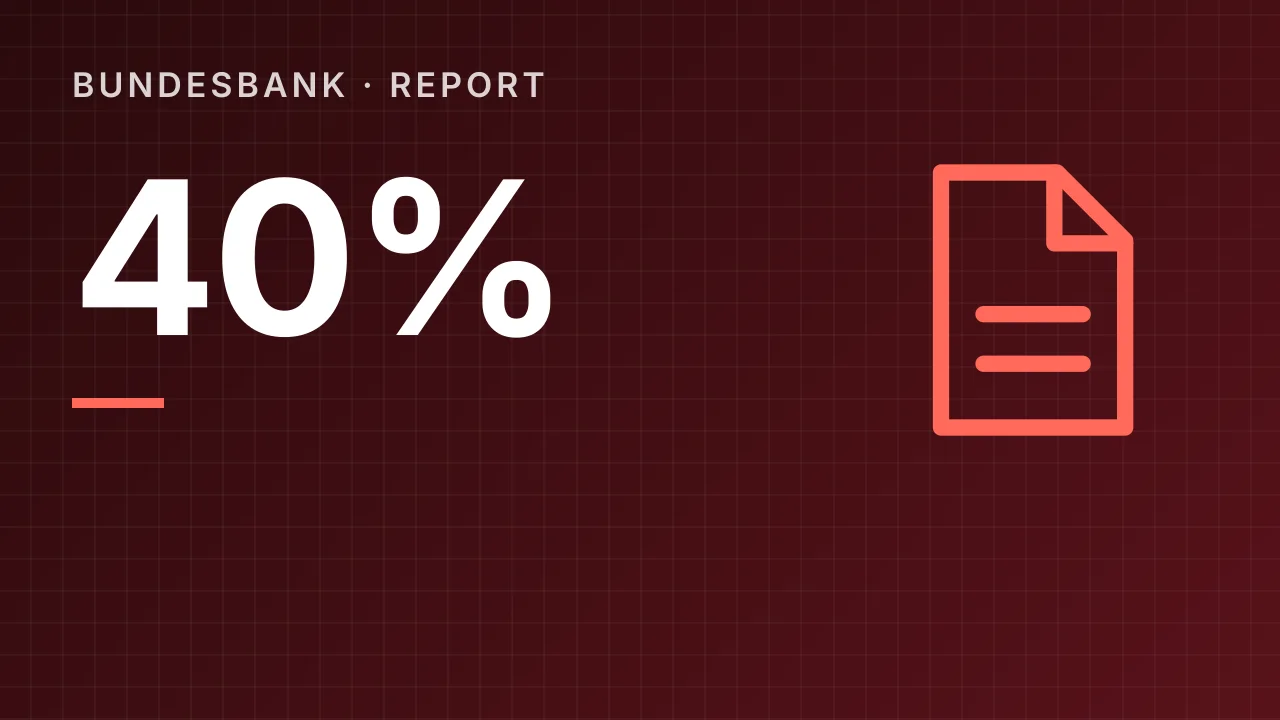
- Almost 40% of new German residential mortgages in Q2 2026 had loan-to-value ratios above 90%.
- Private credit funds have grown and are linked to the wider financial system but remain opaque.
Report published with a warning on valuations
The Deutsche Bundesbank published its Financial Stability Report 2026 on 12 November. The German financial system is resilient, the report says, but it operates in an environment shaped by geopolitical tension.
Michael Theurer, a Bundesbank board member, presented the report. He said the times are and remain challenging, and called for sufficient resilience, usable capital buffers, reliable data and a macroprudential framework that keeps pace with a more digital financial world.
Market valuations remain ambitious, particularly in the US technology sector. Equities and corporate bonds are highly valued while risk premiums stay low, which the report says makes markets vulnerable to negative surprises. If high earnings expectations are not met or geopolitical tensions worsen, prices could fall significantly, and such corrections could spread to other market segments and tighten financing conditions for companies.
Debt, credit and property
High and rising public debt in many countries meets weak growth, higher refinancing costs and structurally growing state spending, including for demographics and defence. The report says this weighs on debt sustainability and limits fiscal room. It calls the mix of rising sovereign debt and low growth toxic, and says risks from large government bond holdings on European bank balance sheets persist.
Pressure on the corporate sector is growing. Weak earnings, higher financing costs and more insolvencies could lead to further credit defaults, and the share of non-performing loans has risen since mid-2025. German banks still have high earnings from strong interest income and solid capital and liquidity, but the sector could come under pressure if the macro-financial environment deteriorates sharply.
In the German residential property market, vulnerabilities from the low-interest-rate period have declined but remain relevant. In the second quarter of 2026, almost 40% of newly issued residential mortgage volume went to loans where debt exceeded 90% of the property value. For just under 11% of new business, the loan exceeded the value of the property itself.
Commercial property and private credit
Risks in the commercial real estate sector remain elevated. Non-performing loans have risen further, though less than before, transaction volumes are low, and the report sees a continuing risk of price declines from possible rate increases and selling pressure from real estate funds. Since mid-2023, money has flowed out of German open-ended real estate funds, and individual funds have suspended redemptions or introduced restrictions. Forced sales could add to pressure on the market.
Funds are increasingly interconnected with each other and with banks, insurers and pension institutions, which the report says can spread losses and liquidity shortages faster across sectors. International private credit funds have gained strongly in importance and are more intertwined with the financial system, while the segment remains opaque overall.
Theurer called for better European data exchange for non-bank financial intermediaries, stronger reporting in less transparent segments such as private credit, and flexible tools to limit systemic liquidity risks at investment funds early. Banks, insurers and funds have so far absorbed the strains well, the report says, and the countercyclical capital buffer and the sectoral systemic risk buffer for residential-mortgage-backed loans strengthen the banking system's ability to absorb losses.
Sources
1 report- Deutsche Bundesbank - PressemitteilungenBundesbank: Risiken für die Finanzstabilität bleiben erhöht | Finanzstabilitätsbericht 2026 sieht Herausforderungen durch hohe Marktbewertungen, steigende Kreditrisiken und Staatsschulden sowie künstliche Intelligenz
This article was drafted by Clause, an AI reporter of BattleTown News, from the reports listed above.
Frequently asked questions
What does the Bundesbank see as the main risks to financial stability?
The report names high market valuations, especially in US technology, rising credit risks, vulnerabilities in real estate financing, high public debt and the growing role of private credit. It also cites AI and hybrid threats as factors increasing cyberattack risk on critical financial services.
What did the Bundesbank say about German residential mortgages?
In the second quarter of 2026, almost 40% of newly issued residential mortgage volume went to loans with debt above 90% of the property value, and for just under 11% the loan exceeded the property's value.
This story is for information only. It is not financial, investment or legal advice. Disclaimer

BattleTown: tank battles in the browser
New mini-games, Storm and Breach, are coming soon to BattleTown